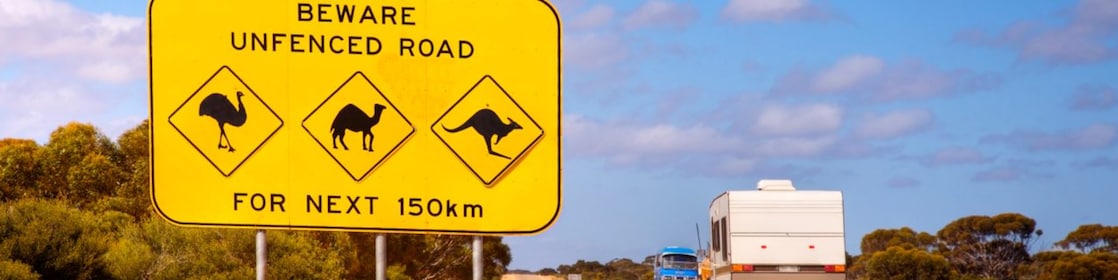
Sharing the road: staying safe with wildlife this summer
Summer brings long drives, late sunsets and, for many native animals, more time on the move. Learn how to spot wildlife earlier, drive smarter and prevent collisions that endanger both drivers and our unique fauna.

Summer roads in Australia are busier than ever, and wildlife is on the move. This season can be an especially high-risk time for wildlife encounters, with animals moving more frequently in search of food, water and cooler ground. Long daylight hours and increased holiday traffic also mean more cars on rural and regional roads, often at dawn or dusk when animals like kangaroos, wombats and koalas are most active. Each year, millions of marsupials and birds are (PDF) involved in vehicle collisions, many of which are unreported, and with endangered species like the Tasmanian devil and Queensland cassowary also roaming around the roads, drivers must adapt to seasonal risks.
Reports indicate that 22 per cent more collisions occur year-on-year, with more than 40 per cent of Aussie drivers admitting to ignoring wildlife warning signs. However, across Australia, new technology is helping drivers and wildlife stay out of harm’s way and transport authorities are exploring smarter, safer road systems to reduce collisions with wildlife.
In Queensland, the Department of Transport and Main Roads (TMR) has trialled an AI-powered system to detect the endangered Southern Cassowary along the Kennedy Highway. The technology identifies the bird with around 97% accuracy and has helped reduce fatal vehicle strikes by about 31%.
Innovations like this point to a future where both wildlife and drivers are safer on the roads. Long summer drives are an Australian ritual – but so is sharing the road with our wildlife. Here’s how to stay safe, stay aware and do your part to protect the animals that call our roadsides home.
Be vigilant on the road
Drive cautiously during dawn, dusk and at night. Scan the sides of the road for animals and slow down in wildlife-prone areas, especially near bushland, water bodies or open paddocks, to reduce the chance of wildlife encounters. Use high beams responsibly to increase visibility and be alert for groups – kangaroos rarely travel alone. Avoid swerving, which can put you and others at risk; instead, brake firmly and give animals time to move.
After a wildlife encounter
Before helping any animal, your safety and that of your passengers must come first. If you do hit or come across an injured animal, pull over safely, turn on your hazard lights and assess your surroundings before exiting the vehicle. Make sure doors aren’t opening into traffic and that the ground is stable underfoot.
If the animal appears hurt, contact local wildlife rescue organisations such as WIRES (NSW), Wildlife Victoria (VIC), WIldcare (QLD), or use the IFAW Wildlife Rescue app, which connects you directly with nearby carers. Avoid handling injured wildlife unless you’re confident it’s safe to do so. If it’s safe, gently cover the animal with a towel or blanket to keep it calm and warm. For domestic animals or livestock, contact the owner if possible, or reach out to a nearby vet, the RSPCA or police. A calm, cautious approach protects both you and the animal, helping ensure everyone makes it home safely.
Protect the ecosystem
Collisions impact ecosystems as well as driver safety. Removing roadkill prevents scavenger species like eagles, dingoes or ravens from becoming secondary victims. Carry disposable gloves to safely move animals from roads (only if safe to do so), helping to reduce further wildlife casualties.
For wildlife rescue contacts nationwide, visit the WIRES wildlife rescue numbers directory to find the appropriate number in your state or territory.
Disclaimer
Viva Energy Australia Pty Ltd (“Viva Energy”) has compiled the above article for your general information and to use as a general reference. Whilst all reasonable care has been taken by Viva Energy in compiling this article, Viva Energy does not warrant or represent that the information in the article is free from errors or omissions or is suitable for your intended use.
Where information, recommendations, opinions or ideas have been sourced from third parties external to Viva Energy (Third Party Information), Viva Energy cannot be certain that the Third Party Information is accurate, current or complete, nor should a mention of any business, product, service or website of a third party be taken as a recommendation, approval or endorsement of, or warranty or claim regarding, that business, product, service or website.
Recommended articles

By Shell on March 13, 2025

By Shell on Sep 15, 2025

By Shell on Dec. 11, 2022