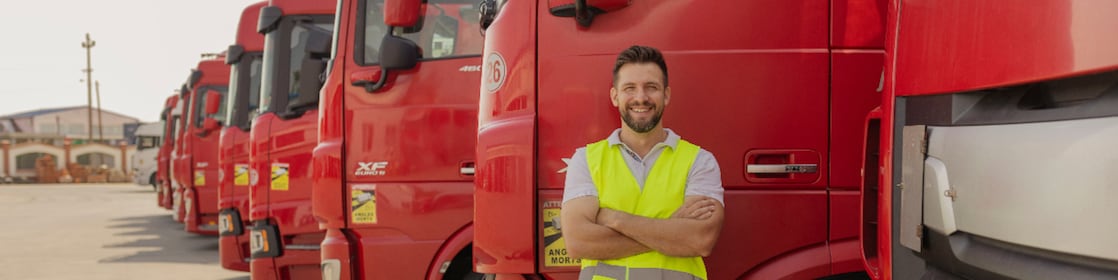
End-of-year fleet readiness
Peak season brings added pressure on drivers, vehicles and workflows. This guide breaks down the key end-of-year lessons for fleet managers and shows how planning ahead, supporting alert driving and using tools like Shell Card can keep fleets safe and efficient into 2026.

The three pressures every fleet faces and how to manage them.
As 2025 draws to a close, fleets across Australia face the same seasonal squeeze: more kilometres, tighter deadlines and greater pressure on drivers, vehicles and workflows. This period offers valuable lessons for fleet managers preparing for another busy year in 2026.
1. Driver pressure: fatigue in peak periods
Even well-run fleets feel the strain when driver fatigue increases at the end of the year. Longer shifts, heavier workloads and a busy social season all contribute to tiredness.
While your workplace should have a fatigue policy, this is the ideal time to reinforce with drivers that arriving well-rested is just as important as recognising signs of fatigue while behind the wheel.
Getting plenty of sleep before a shift is vital, and eating a balanced and healthy breakfast helps provide steady energy throughout the day.
If drivers experience signs of fatigue – lane drifting, unintentional speed changes, heavy eyes, yawning or loss of concentration – they must pull over safely and recover. Even a short 20-minute nap can help combat drowsiness and keep them safe. Supporting alert driving and reducing driver fatigue remain core priorities heading into 2026.
2. Vehicle pressure: reliability under load
As kilometres increase and deadlines tighten, fleet vehicles also come under greater strain. The last thing you need at this time of year is a breakdown, so keeping up with regular checks is essential.
The end of the year can also highlight gaps in fleet capacity or resourcing. If holiday schedules stretch your team, it may signal a need to review driver availability and capacity planning for 2026.
3. Workflow pressure: streamlining the admin load
Keeping your workflow under control is another top focus area during busy periods like the holidays. With higher volumes and more moving parts, paperwork can quickly build up. Smart tools make a noticeable difference.
As a fuel card, Shell Card helps reduce paperwork which makes business fuel tax claims easier through streamlined GST statements and integration with accounting software, such as MYOB and Xero. You can also manage multiple cards through the Shell Card Portal, giving clearer oversight during peak operations and helping improve efficiency when it matters most.
Looking into 2026, the lessons from peak season offer a useful roadmap: support alert driving, keep vehicles reliable and use digital tools to simplify administration so drivers can stay focused on the road.
Disclaimer
Viva Energy Australia Pty Ltd (“Viva Energy”) has compiled the above article for your general information and to use as a general reference. Whilst all reasonable care has been taken by Viva Energy in compiling this article, Viva Energy does not warrant or represent that the information in the article is free from errors or omissions or is suitable for your intended use.
You may also be interested in

By Shell on Jul. 17, 2025

By Shell on Nov. 17, 2025

By Shell on Sept. 15, 2025